

Microaggressions in the Workplace
Published October 5, 2026 · Amediate, LLC
Sometimes, the behaviors that do the most damage to workplace trust are the ones people barely notice. Microaggressions in the workplace rarely announce themselves—they show up in offhand comments, small exclusions, and dismissive remarks. “It was just a joke.” “You’re being too sensitive.” “I didn’t mean anything by it.” “That’s not what I said.” Sound familiar? Employees sometimes hear these statements when they raise concerns about comments or behaviors that leave them feeling dismissed, excluded, or disrespected. To the person making the comment, the interaction may seem insignificant. To the person receiving it, however, it may be one more experience in a growing pattern that causes them to question whether they truly belong. And that is where the little things can have a much larger impact. Workplace culture is not shaped solely by organizational policies, mission statements, or annual training. It is shaped by everyday interactions: who gets heard, who gets interrupted, whose ideas receive recognition, who is invited into conversations, and who is quietly left out. Over time, these experiences can influence an employee’s confidence, engagement, relationships, and access to opportunities. They can also shape whether employees believe they are being treated fairly.What Are Microaggressions in the Workplace?
Quick answer: Microaggressions in the workplace are subtle, everyday comments, actions, or environmental messages that communicate negative assumptions, stereotypes, or exclusion—often tied to a person’s identity. They may be intentional or unintentional, and while a single incident may seem minor, repeated patterns can erode trust and signal exclusion. Some are obvious, while others are difficult to recognize without understanding the surrounding circumstances. Consider a few workplace examples:- A female employee repeatedly offers suggestions during meetings, only to have those same suggestions acknowledged when a male colleague repeats them.
- An older employee is routinely excluded from discussions about new technology because coworkers assume they would not be interested or capable.
- An employee with an accent is frequently interrupted, corrected unnecessarily, or passed over for client-facing opportunities despite having the necessary qualifications.
- An employee with a disability notices that colleagues decide what assignments they can handle without consulting them.
- A supervisor consistently invites certain employees to informal networking opportunities while overlooking others.
From Feeling Excluded to Feeling Discriminated Against
One of the most significant consequences of repeated microaggressions is the gradual erosion of trust. An employee who initially dismisses a questionable comment may begin to reconsider after experiencing similar interactions over several weeks or months. They may notice that they are not receiving the same mentoring, developmental assignments, visibility, or opportunities as their colleagues. They may stop contributing during meetings, withdraw from workplace relationships, or become reluctant to raise concerns. Eventually, the employee may begin asking a more serious question:“Am I being treated differently because of who I am?”That question matters. When employees believe their exclusion is connected to race, sex, age, national origin, disability, religion, or another protected characteristic, what began as a series of seemingly minor incidents may develop into an internal complaint or formal allegation of discrimination. Not every uncomfortable interaction constitutes unlawful discrimination. Likewise, not every microaggression, standing alone, establishes a violation of an EEO law. The legal assessment depends on the applicable law, the nature and context of the conduct, and the evidence. Nevertheless, employers should not wait until behavior reaches a legal threshold before addressing its effect on workplace relationships and organizational culture. An organization can be technically compliant with the law and still have a workplace culture in which employees do not feel respected, included, or fairly treated. That distinction is important for leaders to understand.
Leaders: What Are You Not Seeing?
Leaders often evaluate workplace culture through employee surveys, turnover statistics, formal complaints, and performance measures. Those indicators are valuable, but they may not reveal what employees experience during ordinary interactions. Some employees never file complaints. Others remain silent because they worry about being labeled difficult, damaging professional relationships, or losing opportunities. Consequently, the absence of complaints does not necessarily mean the absence of problems.Five Ways Leaders Can Recognize and Address Microaggressions
1. Pay attention to patterns, not just isolated incidents.
Notice who is regularly interrupted, overlooked, excluded from discussions, or denied visibility. Consider whether decisions about assignments and opportunities are based on demonstrated qualifications or unexamined assumptions.2. Listen without immediately defending intent.
When someone raises a concern, avoid responding with explanations such as, “I’m sure they didn’t mean it that way.” Instead, ask: “Can you help me understand what happened and how it affected your work?” Listening does not mean automatically accepting every interpretation. It means taking the concern seriously enough to understand it.3. Examine access to opportunities.
Look beyond interpersonal interactions. Who receives mentoring, stretch assignments, professional development, introductions to influential leaders, and opportunities for advancement? Patterns in these decisions may reveal organizational practices that deserve closer examination.4. Address behavior early and constructively.
Not every concern requires a formal investigation or disciplinary action. Some situations may be addressed through coaching, clarifying expectations, or facilitated conversations, consistent with organizational policy and the circumstances. The objective should be to correct problematic behavior before it becomes normalized, while ensuring that allegations requiring a formal response receive one.5. Model the culture you expect.
Employees observe how leaders respond when someone is dismissed, interrupted, stereotyped, or treated disrespectfully. A leader who redirects a conversation, invites an overlooked employee to contribute, or challenges an unsupported assumption demonstrates that respect and fairness are expectations, not merely organizational slogans. Small leadership actions can interrupt patterns of exclusion just as small everyday behaviors can reinforce them. Organizations such as SHRM similarly emphasize that everyday leadership behavior is central to sustaining an inclusive workplace culture.For EEO Investigators: Look Beyond the Individual Comment
Microaggression-related complaints present particular challenges for workplace and EEO investigators. The allegations may involve conduct that appears minor when viewed individually, but takes on different significance when examined in context. An investigator may encounter statements such as:- “They never include me.”
- “My supervisor talks down to me.”
- “Everyone else gets opportunities that I don’t.”
- “I believe they are treating me differently because of my age.”
- What specific comments or actions occurred, when, where, and who witnessed them?
- How frequently did the conduct occur, and over what period?
- Were similarly situated employees treated differently under comparable circumstances?
- What criteria were used to select employees for training, assignments, or advancement?
- What explanations does management provide, and are they consistent with the available records?
- What impact, if any, did the alleged conduct have on the employee’s working conditions or employment opportunities?
About the Author
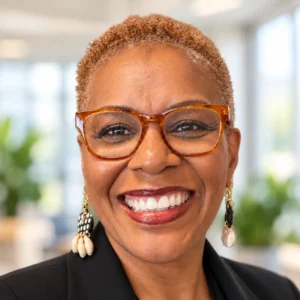
Sharon E Harrington, MA, CPTD, is the founder of Amediate LLC and a workplace communication expert with nearly 30 years of experience. As an EEO Investigator and Certified Professional in Talent Development, she helps organizations navigate complex workplace dynamics and build harmonious professional environments through her innovative "Leadership for the Learning Organization" program.
Learn more about Sharon's work → | Connect on LinkedIn